


Acrylic Printing & Sandblasting
Diverse Surface Texture Customization
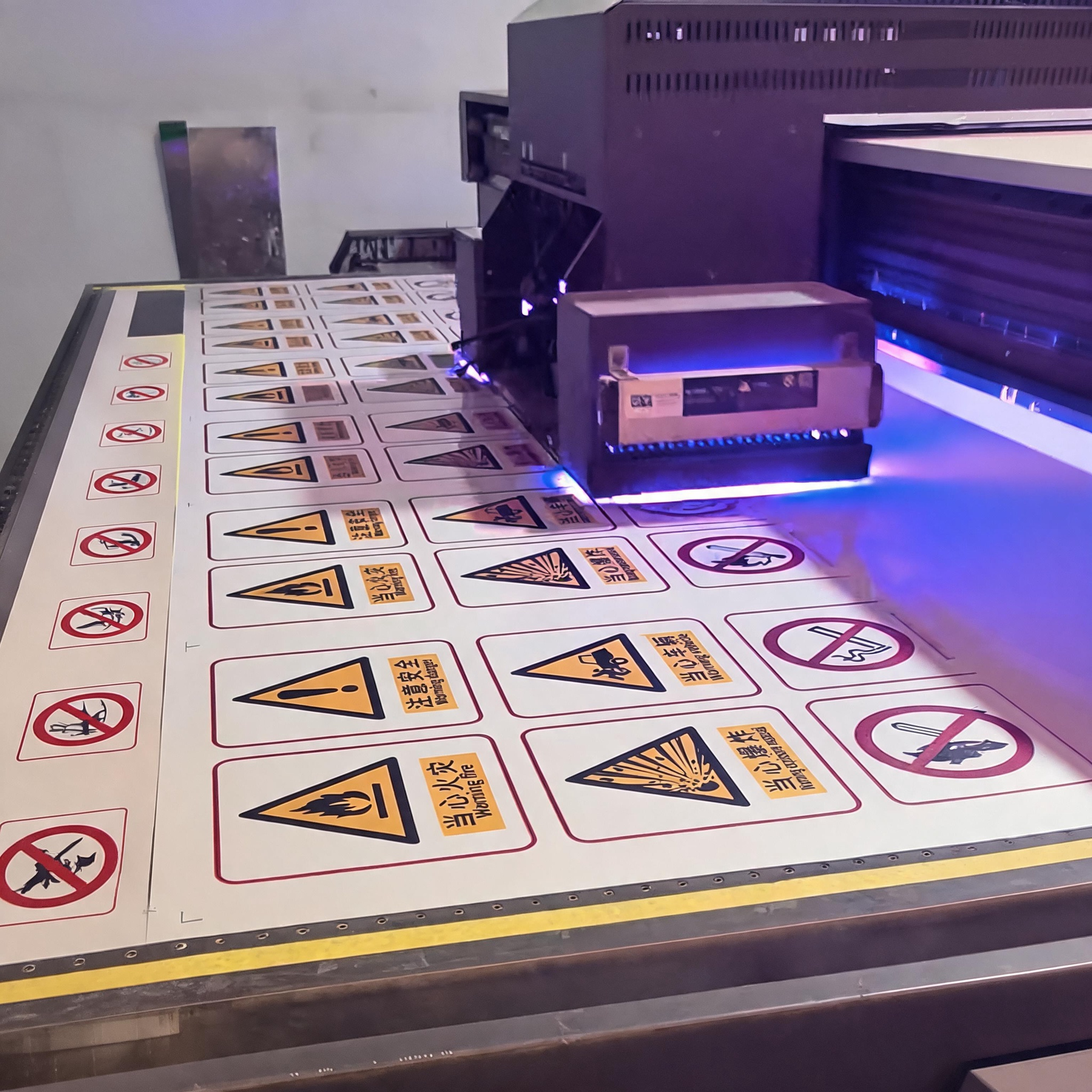
Acrylic Printing & Sandblasting processing allows for flexible combinations of surface finishes, enriching the visual layers and enhancing product identity. Durable LOGOs, matte anti-fingerprint surfaces, soft non-reflective finishes, and custom localized patterns are all achievable.
Transparent acrylic often lacks distinct recognition, and ordinary sticker labels tend to peel off. Many factories can only produce glossy surfaces, lacking matte sandblasting or high-quality LOGO printing capabilities, making it difficult to achieve the designer's intended visual effect.
I. Application Scenarios
Printing: Brand display boards, storage box logos, price tags, and gift nameplates.
Sandblasting: Light guide signs, decorative ornaments, privacy partitions, and localized embossed patterns.
Combination of Printing + Sandblasting: High-end handicrafts, exhibition display props, and lighting housings.
In-house screen printing and sandblasting capabilities enable us to elevate brand logos and create premium matte textures. We support back-printing for transparent materials, ensuring wear resistance and durability. Our integrated in-house processing delivers unique aesthetics and rich visual expressions.
II. Screen Printing & Sandblasting
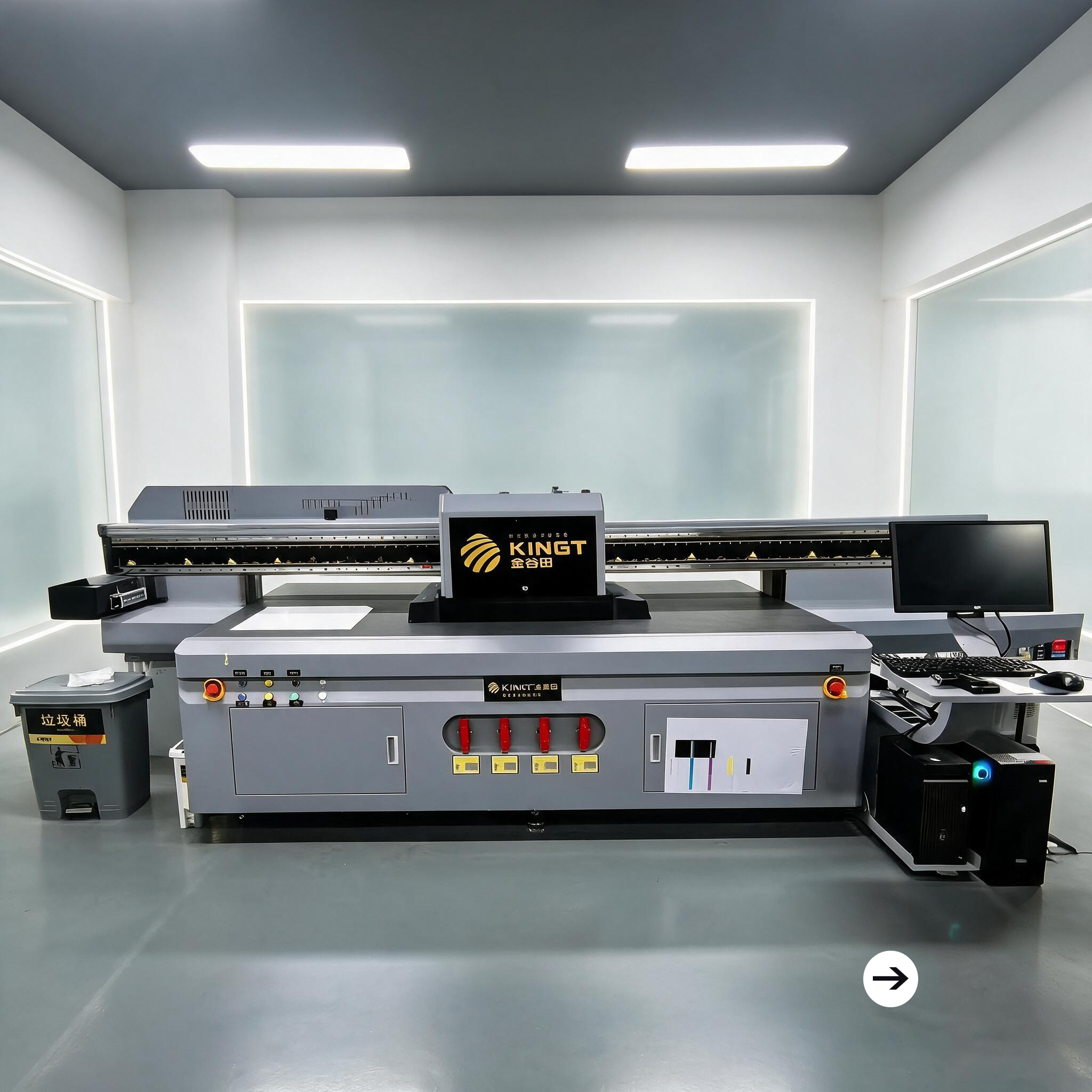
Screen Printing
- √ High color saturation for text, LOGOs, and blocks; thick ink layer; wear and scratch-resistant; long-lasting and fade-resistant.
- √ Supports front printing and back reverse printing (the preferred choice for transparent acrylic, providing a smooth, non-raised ink feel).
- √ Single-color and multi-color registration printing with precise alignment and consistent positioning in mass production.
- √ Flexible sequencing: printing can be done on semi-finished panels or after bonding/assembly.
- ❌ Limitation: Complex gradients and highly detailed images are not suitable for silk-screen printing.
Sandblasting
- √ Produces a uniform, fine matte texture with soft light transmission, reducing mirror-like glare.
- √ Supports full-board sandblasting, localized pattern sandblasting, and hollow text sandblasting, creating rich contrasting effects.
- √ Sandblasted areas resist fingerprints, significantly enhancing the texture of signage, light guide plates, and decorative panels.
- √ A purely physical surface treatment with no risk of ink peeling, offering high durability.
- ❌ Limitation: After sandblasting, the acrylic surface loses its high gloss and cannot be polished later; the process sequence must be carefully planned in advance.
Combination Value: They can be used independently or combined—sandblasting as a base with localized printing—creating a multi-layered visual effect that differentiates your products and commands a higher price.
III. Frequently Asked Questions
Back reverse printing is highly recommended.
The ink is applied to the back of the panel, so the front surface remains smooth and scratch-resistant. With front printing, the ink is exposed on the surface and can be easily scratched by hard objects.
✔ Back printing: With normal use, it will not peel and will not fade indoors. Prolonged outdoor UV exposure may cause slight fading.
❌ Front printing: The ink is easily scratched off by hard objects.
Yes, we can.
Localized sandblasting only processes the designated LOGO area, leaving the rest transparent. However, text smaller than 2-3 mm may not yield a clear result, and the unit cost is typically higher than full-board sandblasting.
Printing and sandblasting must be completed before bonding and assembly.
Doing the process in reverse may cause pattern misalignment, missed prints, or surface damage that affects the final appearance. Additionally, avoid applying adhesive directly over printed areas.
Yes, but results depend on the image type.
Ink adheres well to sandblasted surfaces, but the printed pattern will have a textured grain, making it unsuitable for highly detailed images. For crisp, high-resolution graphics, we recommend printing on the smooth side of the board.