


From order conception to finished product
Acrylic sheets enter the factory and finished products are delivered directly; all production processes are handled in-house.
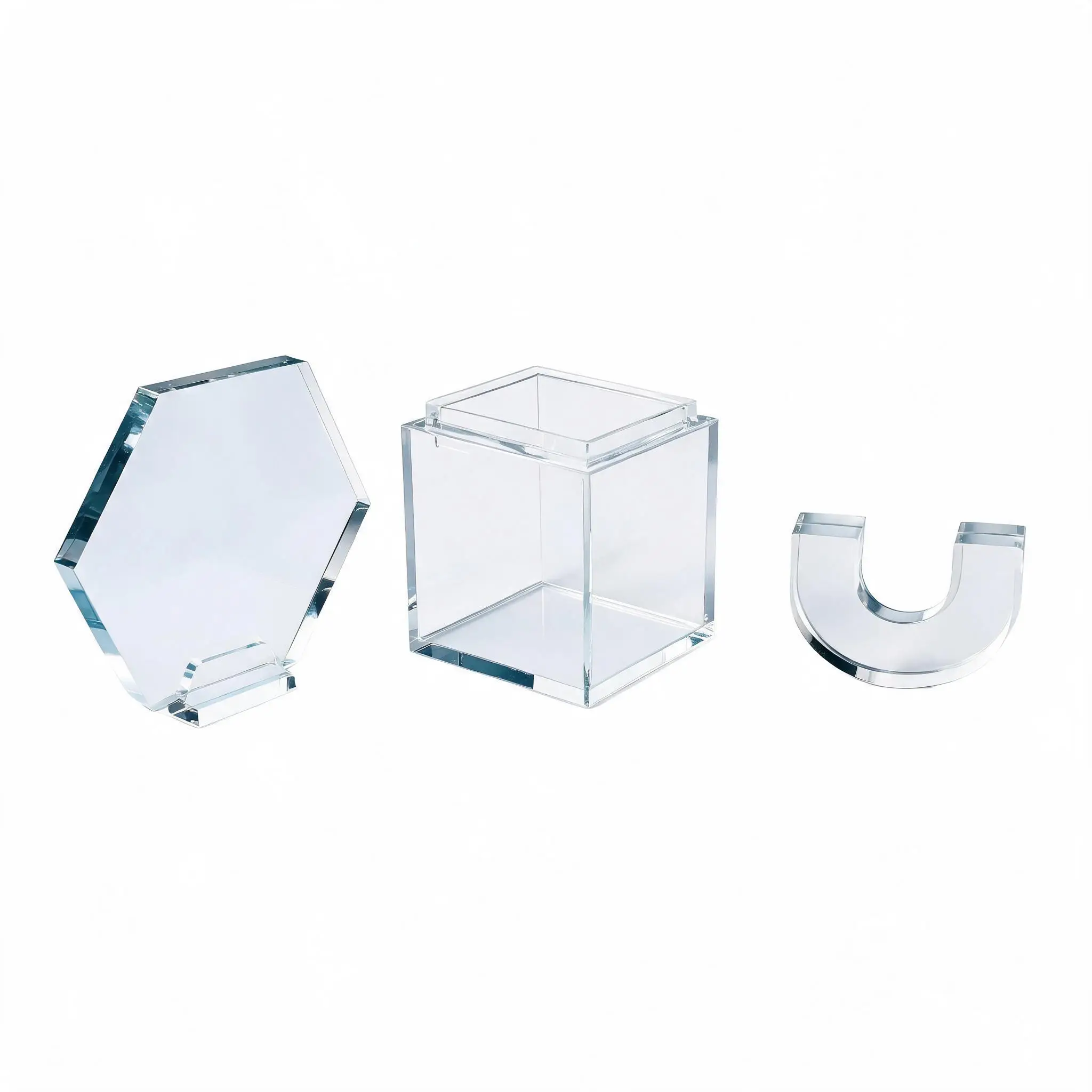
Your Order, Step by Step
A custom acrylic order at Wetop follows 10 production steps: design review, engineering, material prep, cutting, shaping, edge finishing, printing, assembly, 100% quality inspection, and packaging. Samples ship in 3–5 days; production runs 15–20 days depending on complexity.
Review
Prep
Finishing
Inspection
Design Review
You send us a CAD file, sketch, or reference photo. Our engineering team reviews the design for manufacturability — checking tolerances, material suitability, and structural integrity.
Engineering & Planning
We create production drawings, select the optimal manufacturing sequence, and choose the right equipment for each operation. You receive a detailed quote with material, process, and timeline breakdown.
Material Preparation
We source acrylic sheets from certified suppliers — clear, colored, frosted, mirrored, or anti-static — in the exact thickness and grade your design requires.
Cutting
Panels are cut to precise dimensions using laser cutters (for detailed flat cuts up to 25mm) or CNC routers. Our machines hold tolerances within ±0.1mm.
Shaping & Forming
Flat panels are bent, thermoformed, or machined into 3D shapes. Bending uses controlled heat to create precise angles. Thermoforming presses heated acrylic over molds for curved surfaces.
Edge Finishing
Every product gets diamond polishing as standard — crystal-clear, optically transparent edges. Flame polishing is used on specific edges where structure requires it.
Printing & Branding
Your logo, graphics, or full-color artwork is applied using silk-screen printing, UV printing, hot stamping, or laser engraving — depending on the design effect you need.
Assembly & Bonding
Multi-part products are assembled using solvent bonding (which chemically fuses acrylic for an invisible joint) or mechanical fasteners. Assembled pieces are clamped and cured for maximum bond strength.
Quality Inspection
Every finished product passes 100% inspection — not spot checks. We check dimensions against your approved sample, inspect surface quality, verify print alignment, and test assembly integrity.
Packaging & Shipping
Every finished product is wrapped in protective film, then packed in custom foam inserts and reinforced cartons. Bulk orders use palletized packaging for freight.
Manufacturing Capabilities
Longyi's Guangzhou production base covers an area of 4,000 square meters and is ISO9001 quality management system certified; the workshop is equipped with over 18 units of precision machining equipment to meet the demands of high-volume customized production.
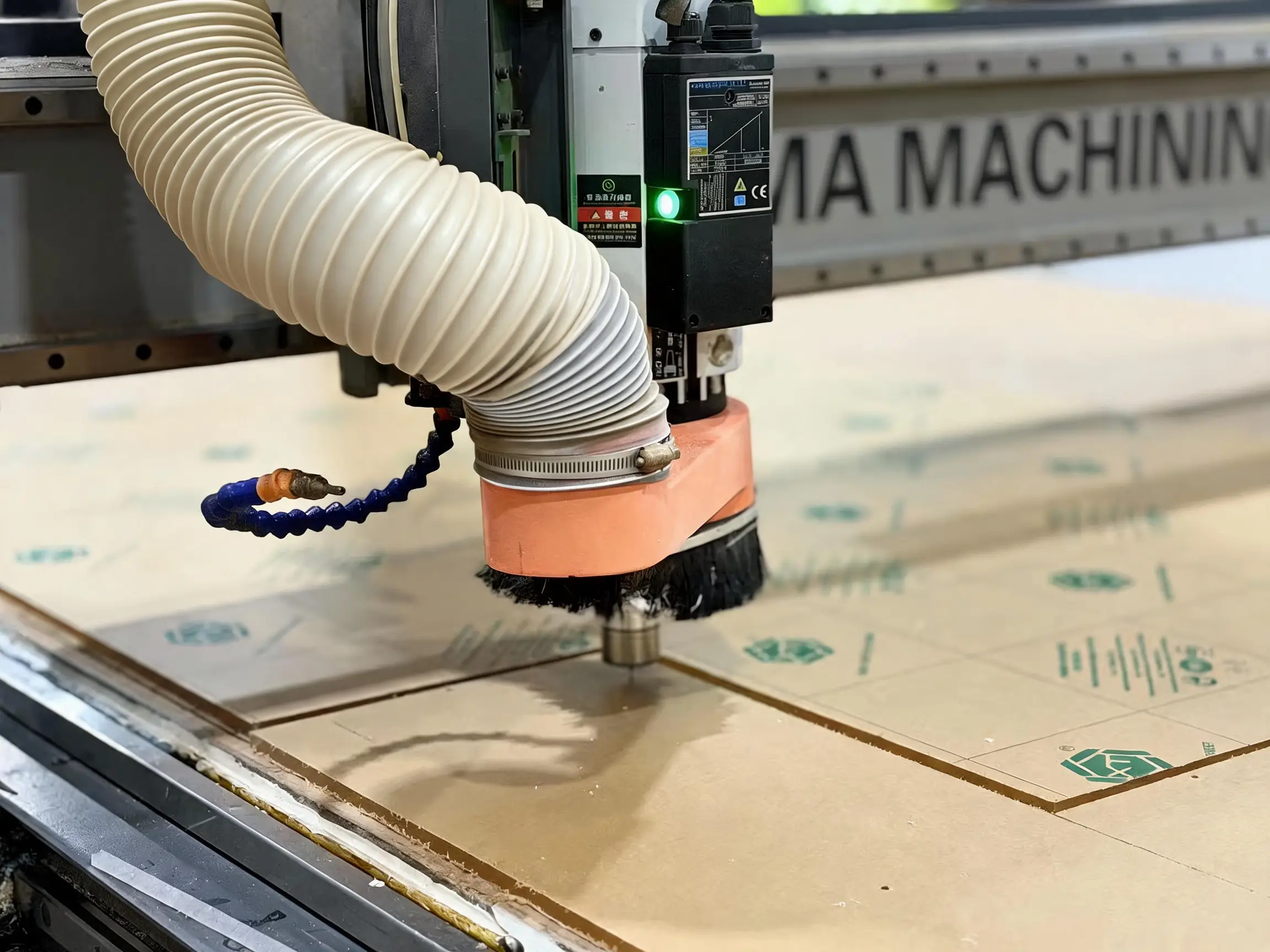
Acrylic CNC Engraving
High-precision CNC milling ensures minimal dimensional error and precise shaping of complex forms.
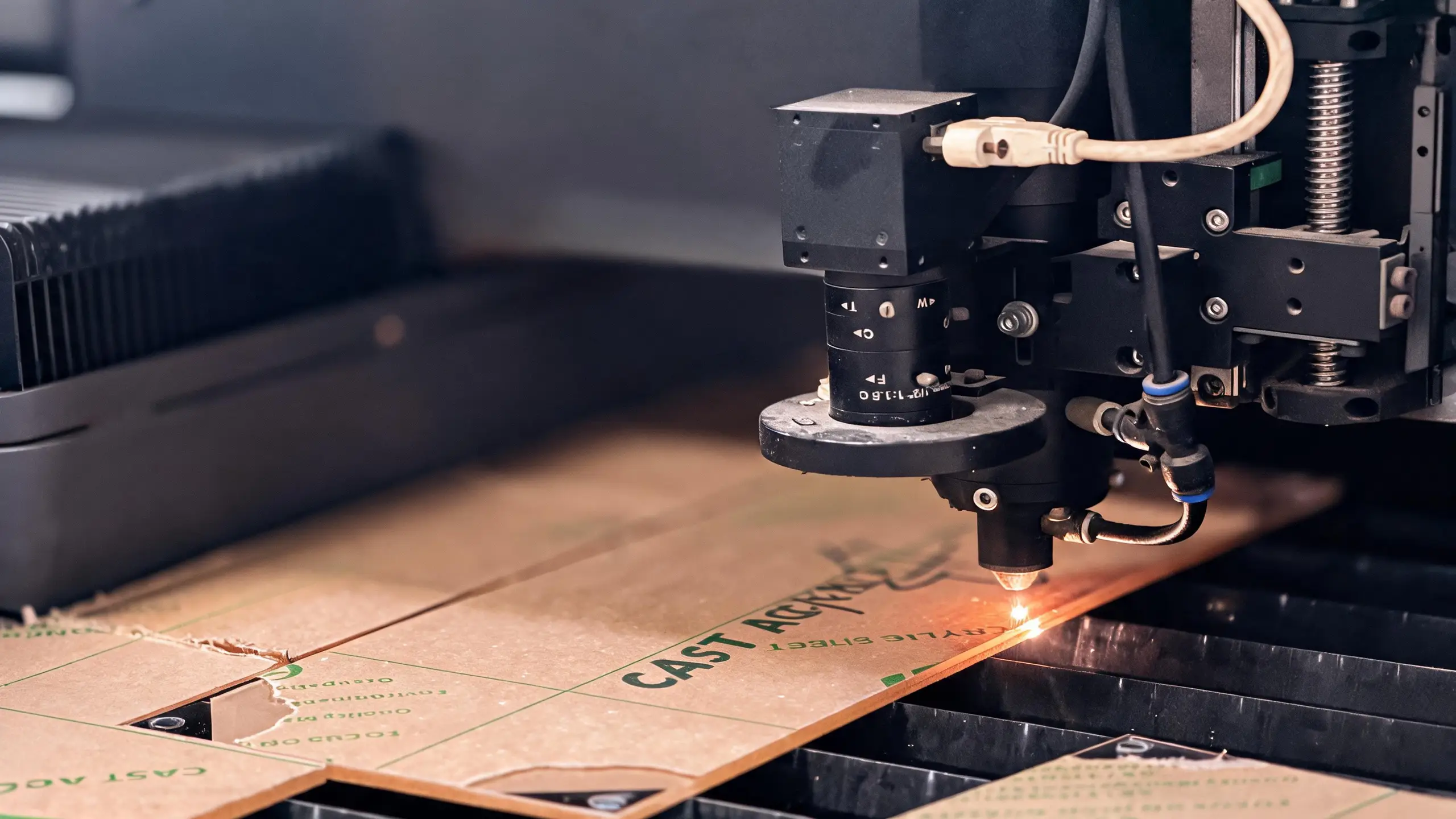
Laser Engraving
High-precision laser engraving delivers crisp reproduction of patterns and text, sharp lines, and exceptional detail.
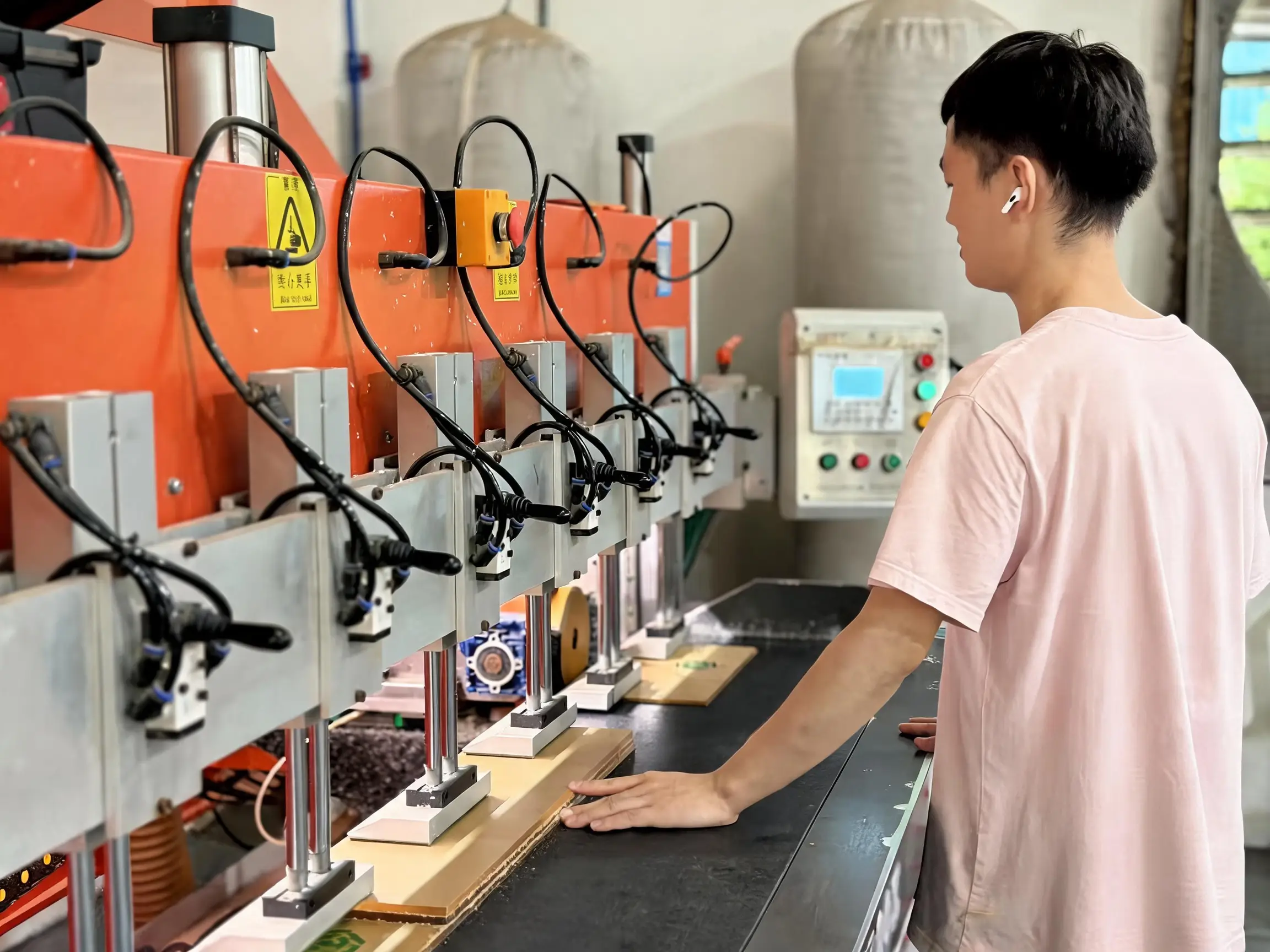
Diamond Polishing
The surface is smooth, fine-textured, and translucent, free of ripples; it is suitable for precision workpieces that are not intended for flame polishing.
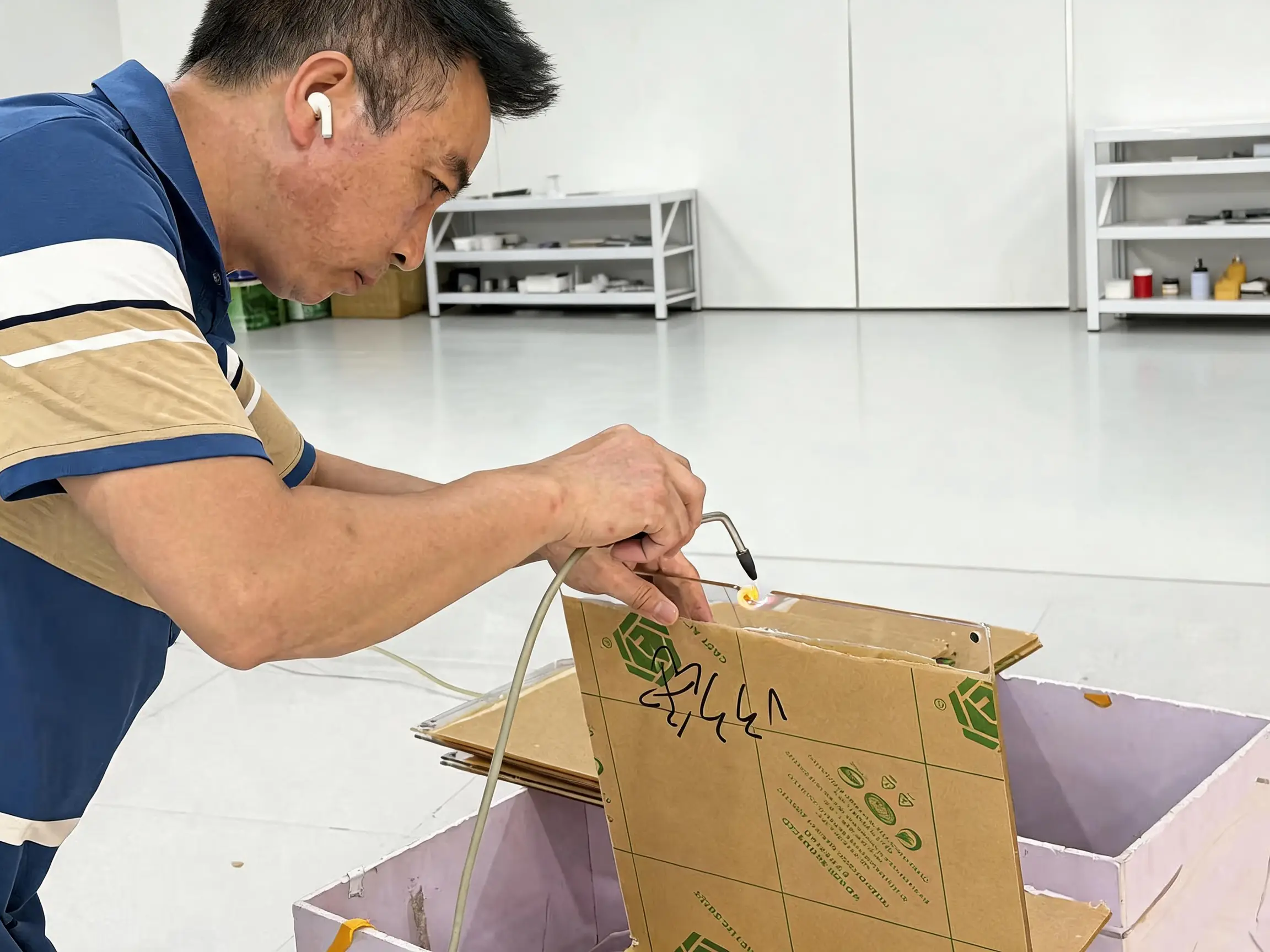
Flame polishing
Quickly restores the transparent, mirror-like finish of acrylic, leaving edges glossy and attractive.
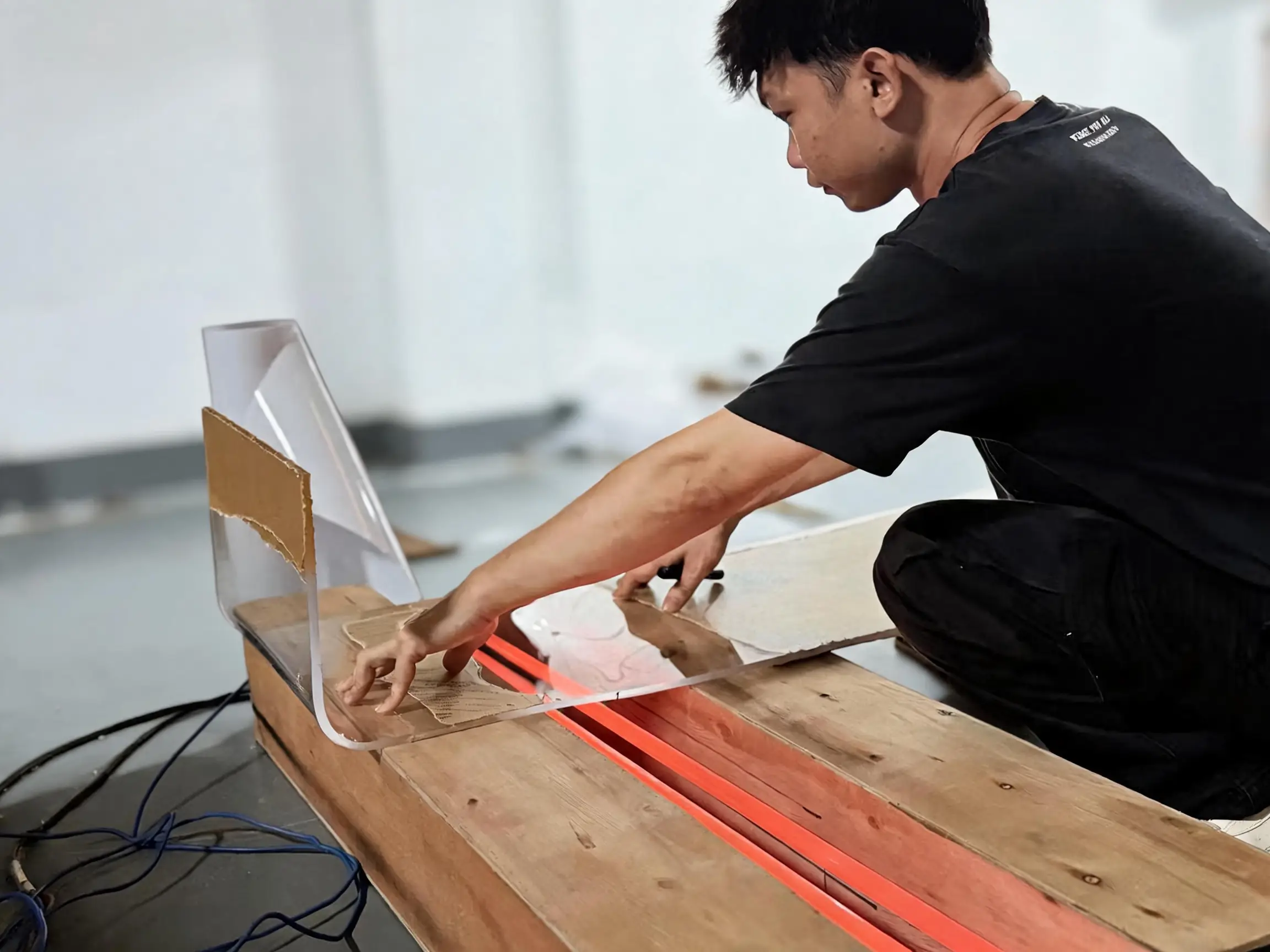
Hot Bending
Controlled heating and shaping create curved and corner forms, achieving a seamless, integrated structure with minimal joints.
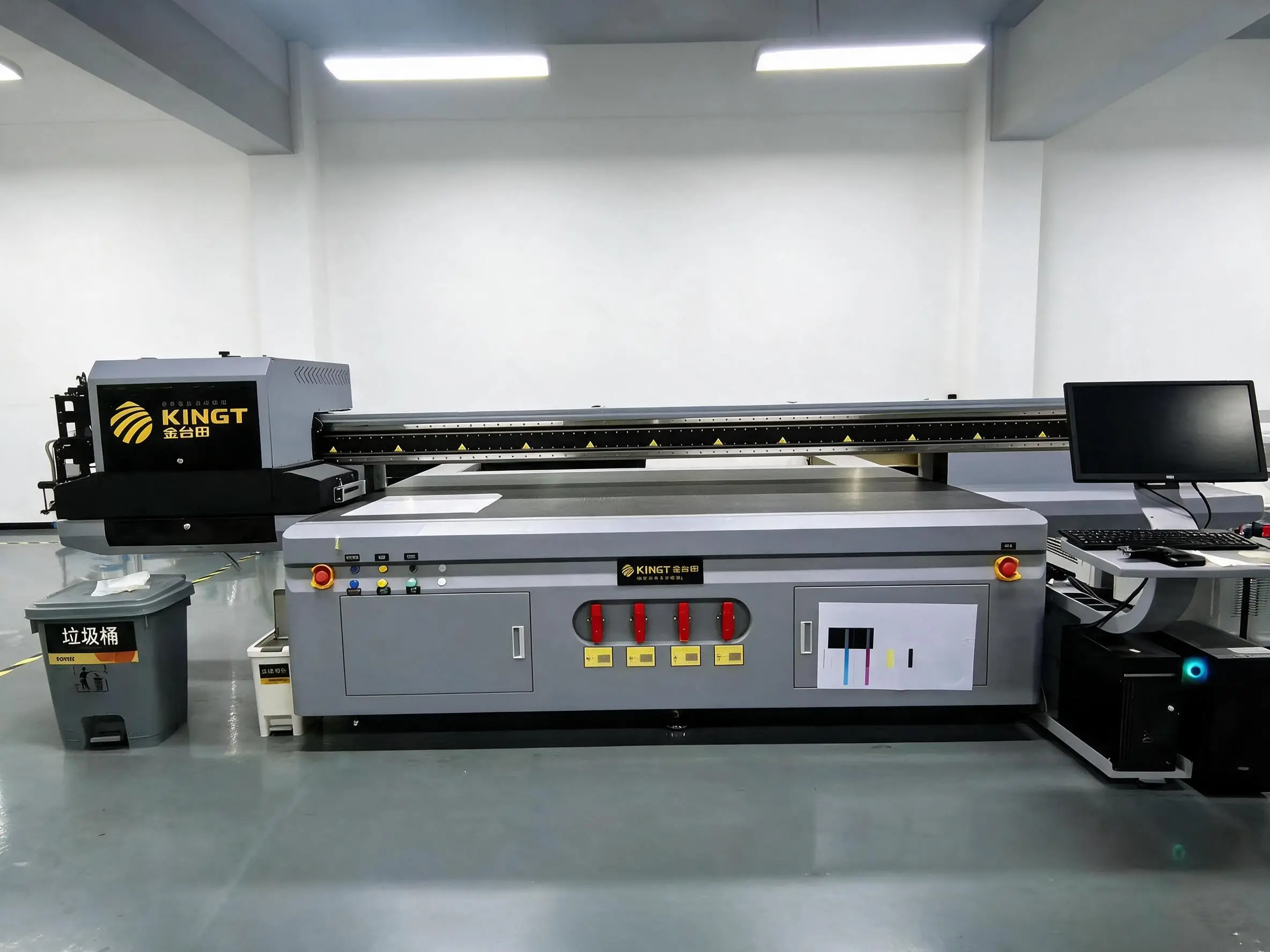
UV Printing
High-definition pattern reproduction with vibrant colors, excellent adhesion, and abrasion resistance; capable of printing complex graphics directly onto acrylic surfaces.
Precision adhesive dispensing and bonding
The adhesive fills the gap evenly, forming a fine bond line that enhances both the structural integrity and the aesthetic appeal of the finished product.
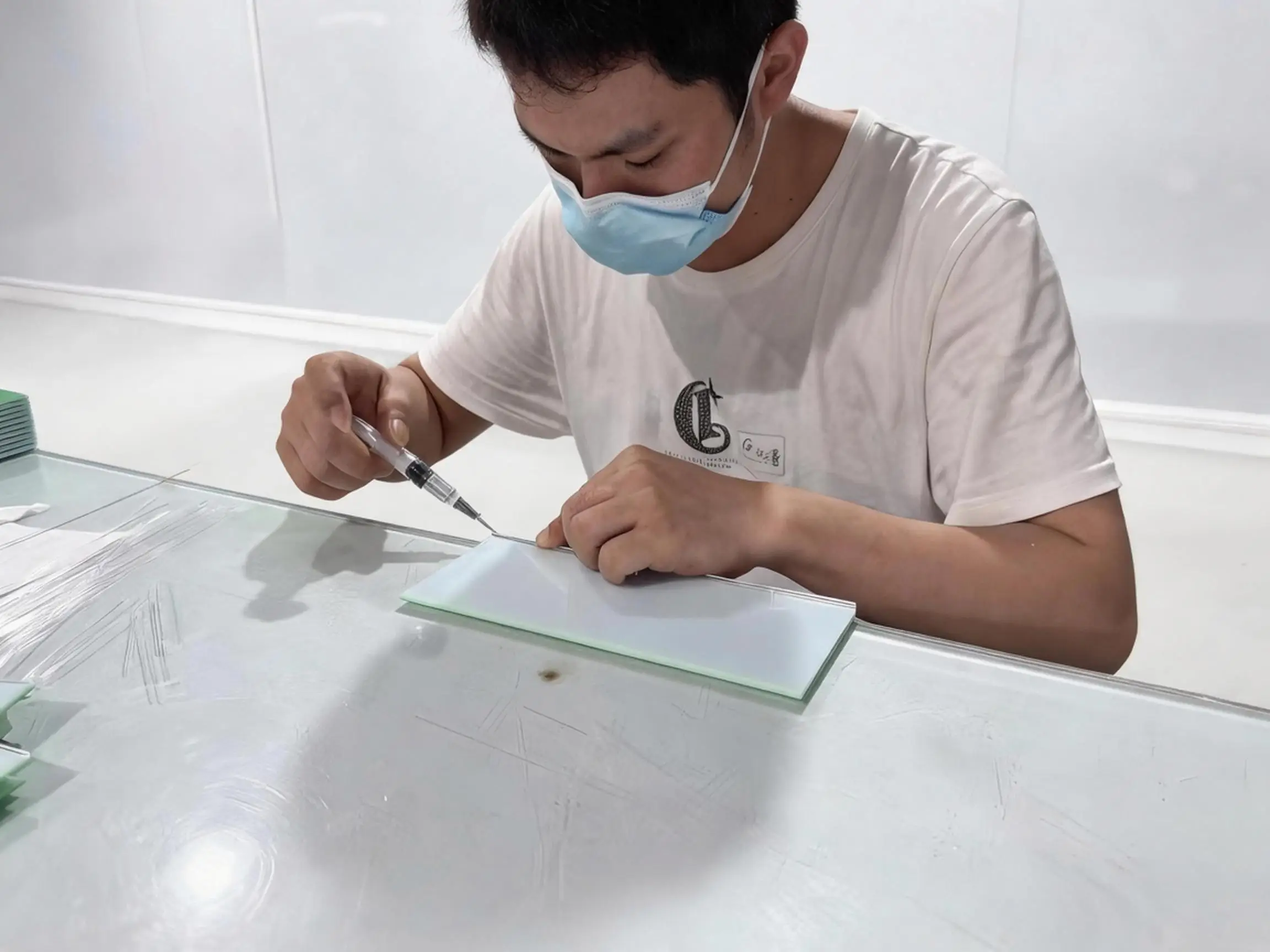
Seamless acrylic bonding
Strict control over the joining process achieves a near-seamless finish, enhancing visual continuity.
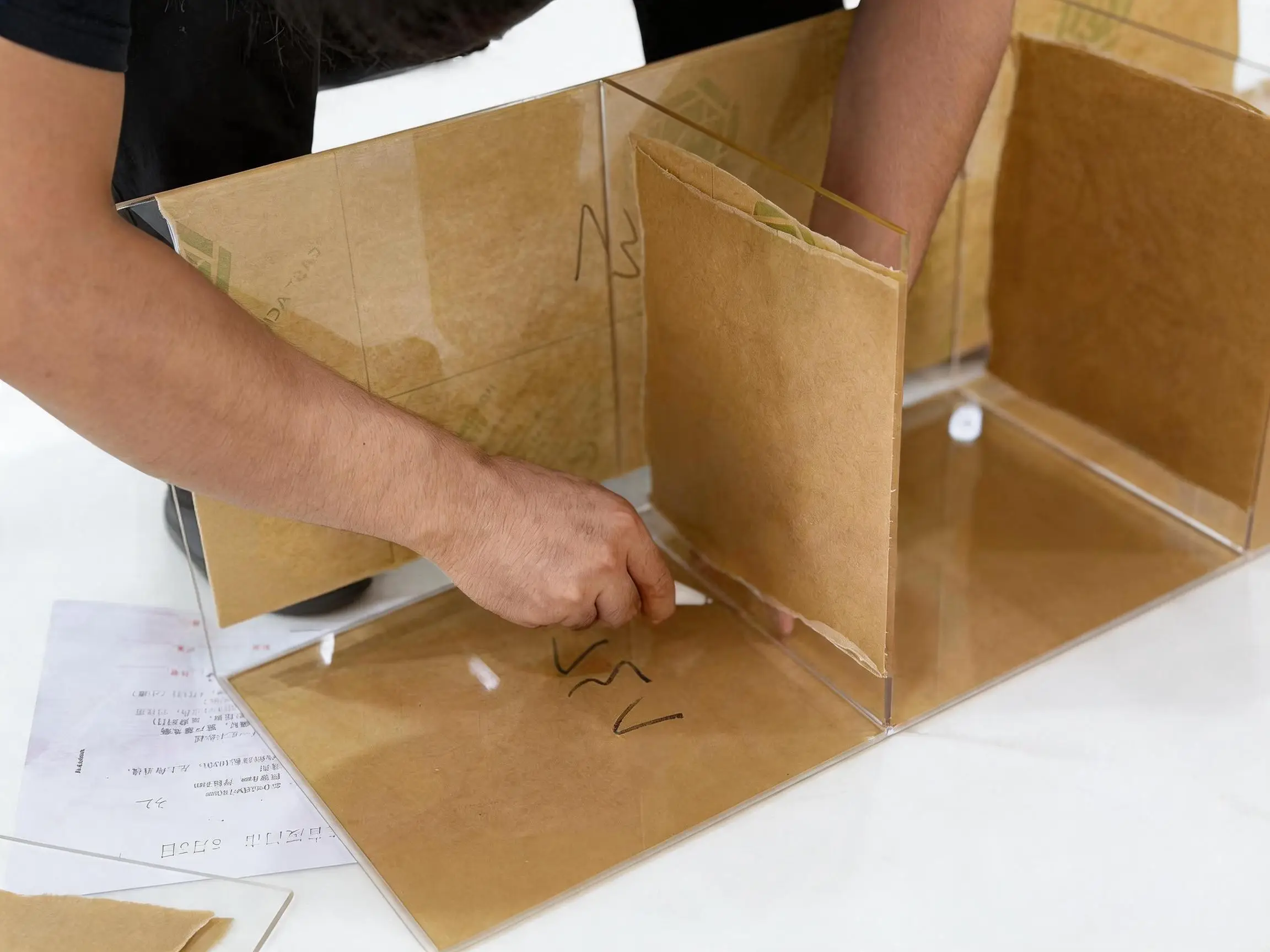
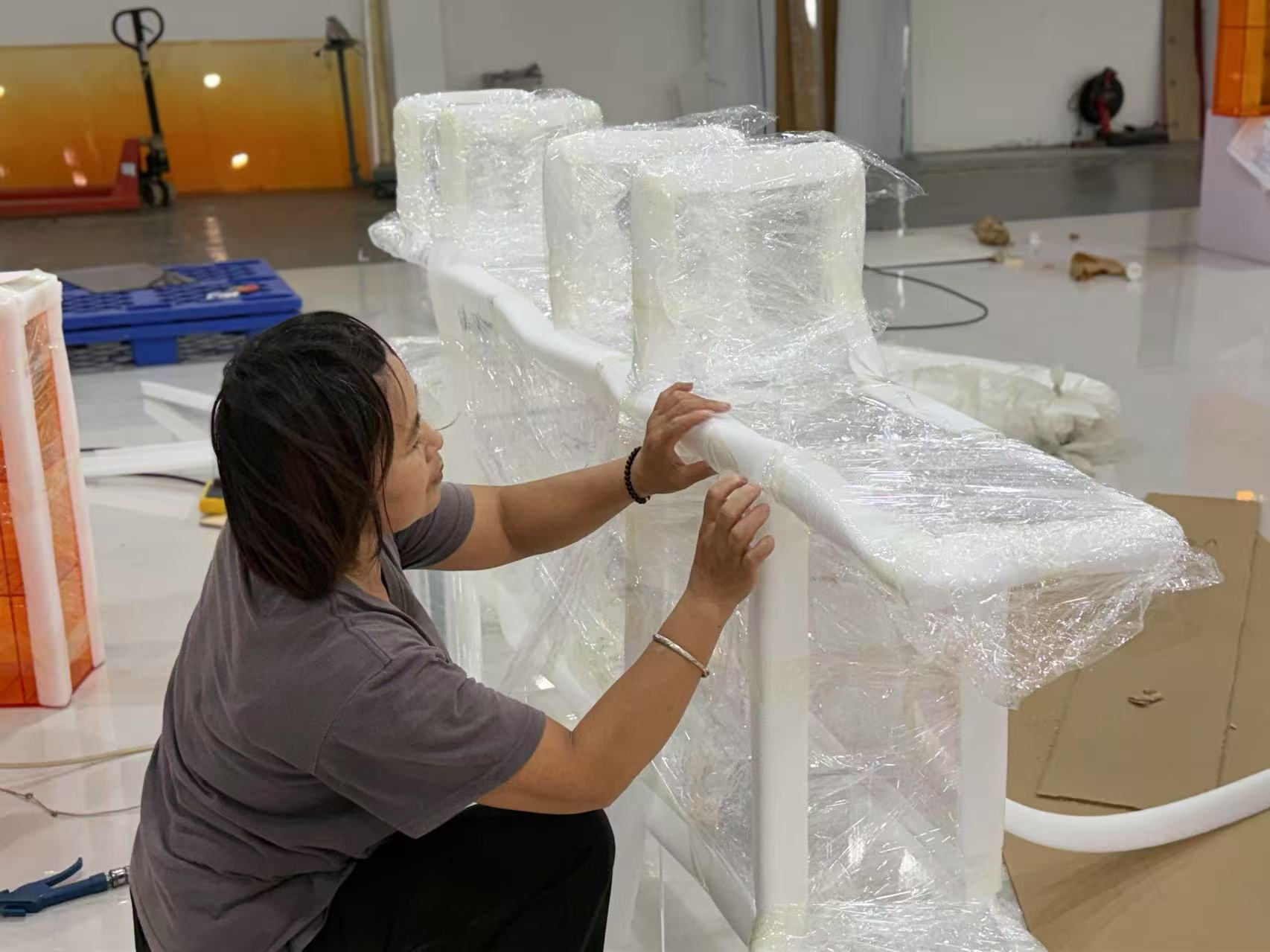
Inner-layer individual protection
Each product is individually isolated to prevent mutual scratching during processing and shipment.
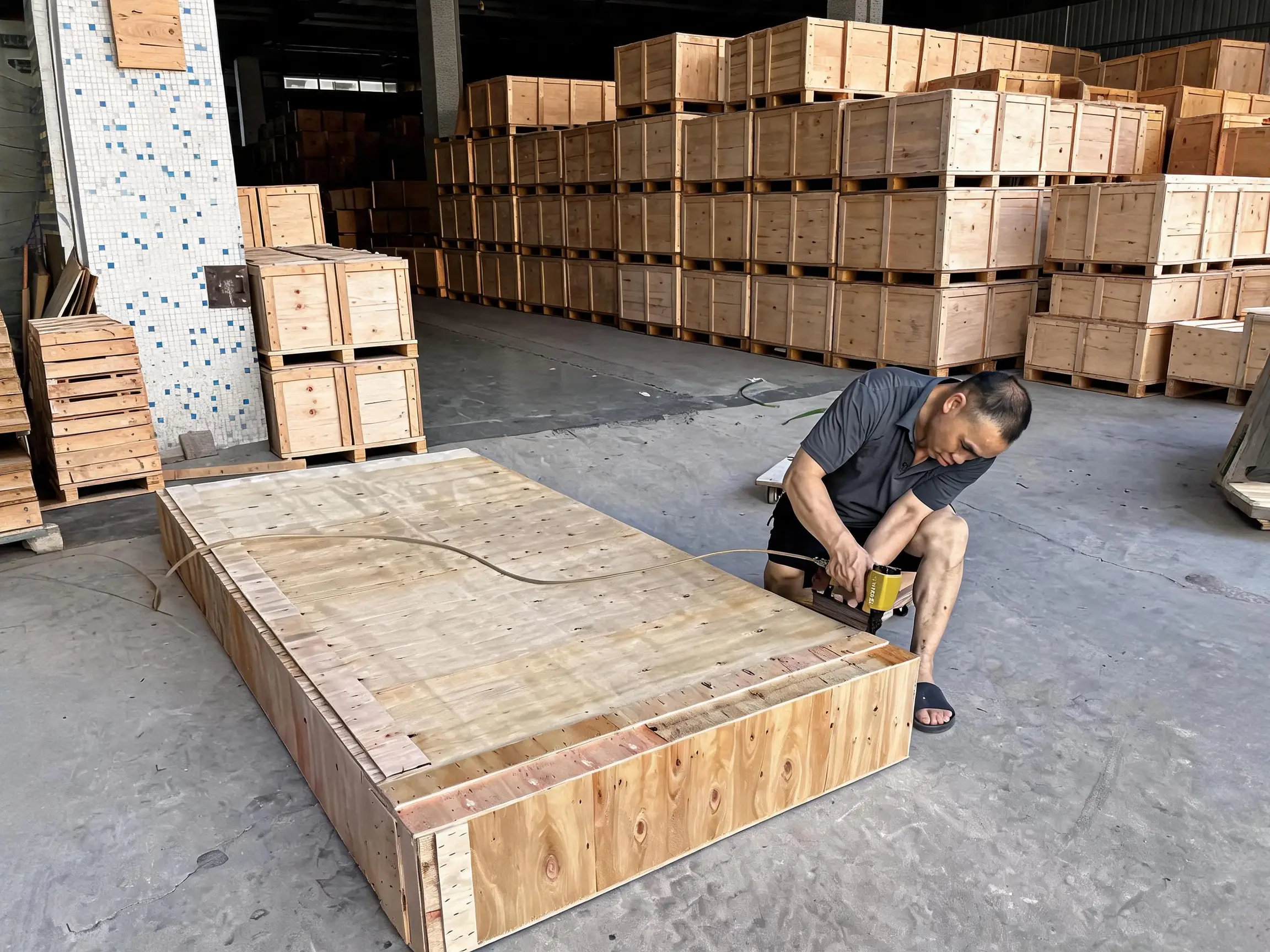
Full-enclosure wooden crate protection for the outer layer
Fully enclosed outer wooden crate protection; custom-made plywood crating designed for long-distance transport to prevent impact, crushing, and moisture damage, thereby reducing the risk of breakage.
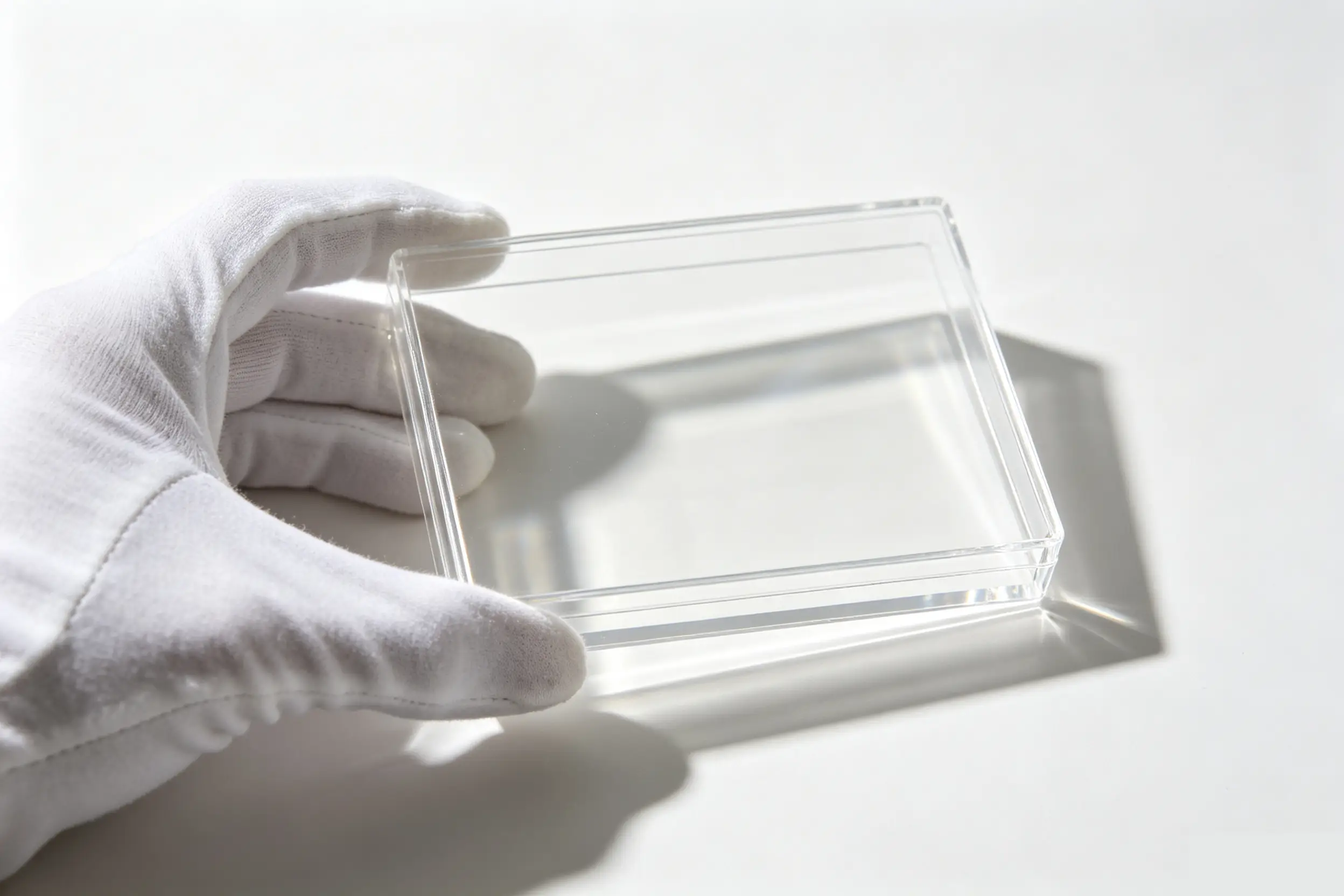
Every Piece. Every Order. Inspected.
We don't do spot checks. Every product that leaves our factory is inspected against your approved sample — dimensions, surface quality, print alignment, and assembly integrity. That's how we maintain a defect rate below 0.5% across 18+ years and 2,000+ projects.
Frequently Asked Questions
1. What is included in the quotation, and why do prices vary so much between suppliers?
The quotation covers acrylic sheets, machining, polishing, and basic packaging. Shipping costs and duties are calculated separately. Price differences mainly stem from the grade of acrylic raw material, sheet thickness, processing techniques, polishing standards, and quality inspection criteria. Lower-priced products often use recycled material and simplified polishing processes.
2. How do you ensure dimensional accuracy, and what are your tolerance ranges?
We use CNC precision cutting to guarantee dimensional accuracy. The standard tolerance for regular products is ±0.2 mm, while high-precision custom parts can achieve tolerances of ±0.1 mm.
3. What should I do if the goods arrive damaged or scratched?
Please provide unboxing photos or videos promptly upon receipt. Once we verify the issue, we will arrange a replacement or partial refund accordingly.
4. Compared with glass, which material is more suitable for my application?
Acrylic is lightweight, impact-resistant, shatterproof, and highly customizable; glass offers higher surface hardness and better scratch resistance. For outdoor use where safety is a priority, acrylic is the better choice; if high abrasion resistance is required, glass may be more suitable.
5. Do you support custom packaging, private labeling, or OEM/ODM services?
Yes. We support custom packaging, customer logo private labeling, and can provide OEM/ODM customization services.
6. Will acrylic turn yellow or crack when used outdoors?
Standard acrylic will gradually yellow over long-term outdoor exposure. For outdoor applications, we recommend UV-resistant acrylic, which significantly delays yellowing and, with proper installation and use, is unlikely to crack.
Please attach your specifications and ask questions
Share your drawings, reference images, dimensions, materials, surface finishes, quantities, destination, and any critical checkpoints. We will review and respond within 24 hours.
Paid samples are quoted separately and will not carry our factory logo.