

Acrylic Sheet Guide
Master the art of acrylic sheet selection. By clearly defining your project's purpose, operating environment, structural requirements, budget, and fabrication process, you can accurately match the optimal type of acrylic sheet for your specific needs.
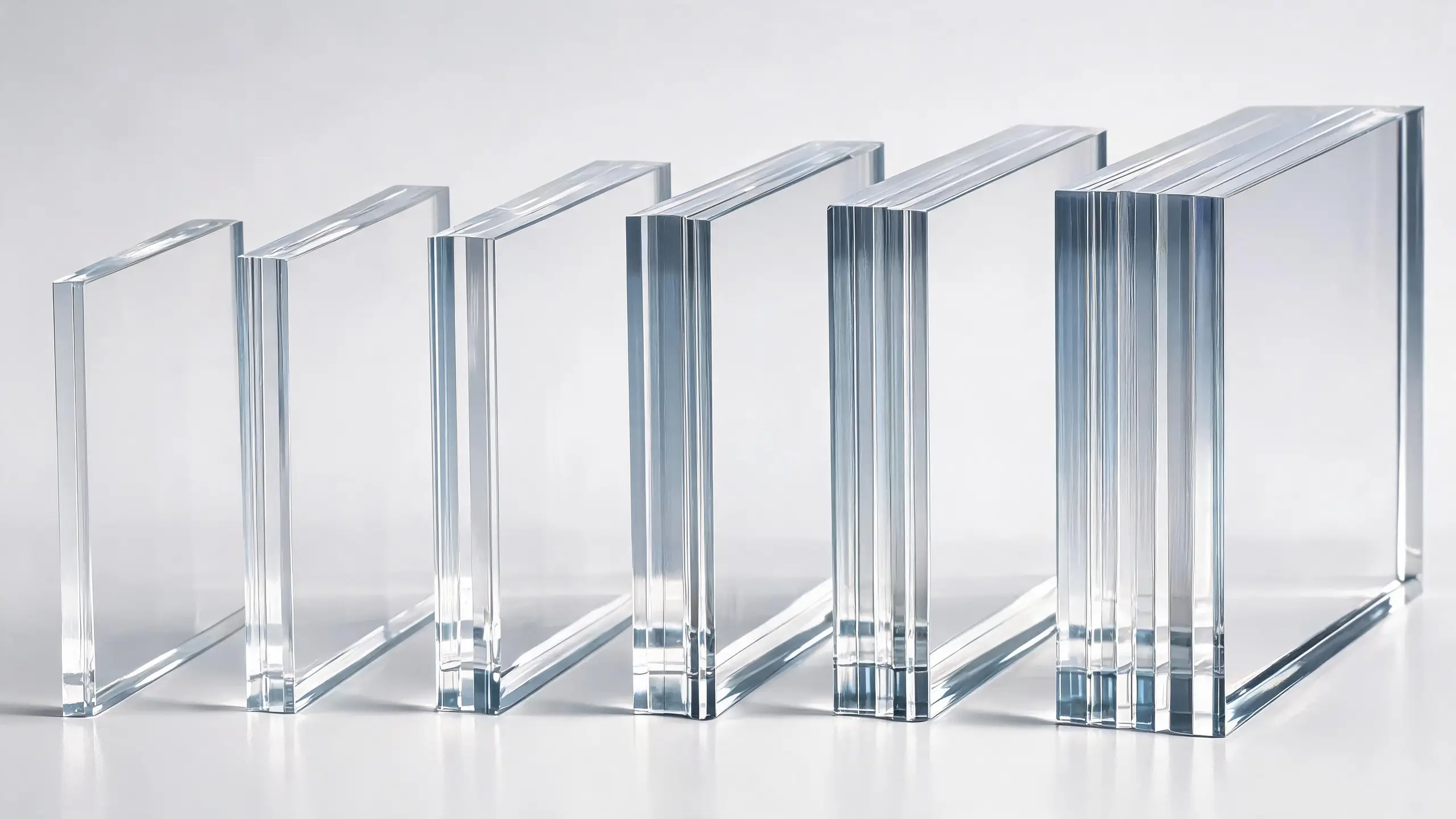
Acrylic Sheet Thickness Selection Guide
Acrylic thickness is a decisive factor affecting product aesthetics, structural stability, and service life. Scientifically selecting the correct thickness can perfectly prevent issues like deformation, warping, and damage, while strictly controlling overall costs. Whether it is ultra-thin printed parts, standard display props, or ultra-thick high-end custom ornaments, we can match the corresponding sheet specifications and processing solutions.
The thickness of acrylic sheets directly determines structural strength, load-bearing capacity, flatness, and lifespan. Choosing the right thickness is critical; selecting a sheet that is too thin can lead to easy deformation or damage, while an overly thick sheet results in wasted costs. To help you make the right decision, we have compiled this guide, from the characteristics of different thicknesses to specific application scenarios, to help you get it right the first time.
Common Thickness Options & Typical Applications
Depending on the grade, production method, type, and supplier, acrylic sheets come in various thicknesses. The correct choice depends on specific project needs. We strongly advise confirming the final thickness with the manufacturer or fabricator before mass production.
Thickness Selection Breakdown
Standard thin sheets are 1-5mm, medium sheets are 8-20mm, and extra-thick sheets are 25-50mm. Custom thicknesses are also available upon request.
- 1-2mm (Ultra-thin): Flexible, lightweight, and highly cost-effective. Ideal for indoor decorative backing boards, thin printed signs, light box stickers, and temporary display decorations. Not suitable for large unsupported pieces due to lack of structural rigidity.
- 3mm (Industry Standard): Excellent hardness, superior flatness, and highly resistant to deformation. This is the most cost-effective thickness for indoor signage, wall logos, nameplates, photo frames, small display pieces, and UV printed products.
- 4-5mm (Medium-duty): Offers increased rigidity, a substantial feel, and better wind pressure resistance. Perfect for medium-sized display stands, shelf partitions, outdoor small signs, exhibition display boards, acrylic storage boxes, and display cases.
- 8-10mm (High-end Structural): Features high hardness, strong load-bearing capacity, and excellent vertical stability. Suitable for high-end display racks, product stands, large independent signs, exhibition structural components, and acrylic furniture fittings for a premium look.
- 12-20mm (Thickened): Provides extreme stability, impact resistance, and a heavy, premium volume. Used for large outdoor signs, 3D logos, thick letter sculptures, stage decorations, and safety protective barriers requiring high-strength usage.
- 25-50mm (Ultra-thick Solid): Characterized by a clear, heavy feel and ultimate stability. Primarily used in high-end crafted ornaments, thick block bases, luxury exhibition installations, and premium art customizations for high-end brand visual displays.
Core Principles of Thickness Selection
Rule of Thumb: Large dimensions require thicker sheets, outdoor applications need upgraded thickness, load-bearing structures should generally use 8mm or above, and standard displays should prioritize the golden thicknesses of 3mm, 5mm, or 10mm.
These golden ratios perfectly balance visual appeal with structural stability.
Our Core Advantages
- Complete thickness range from 1mm to 50mm.
- Free professional thickness matching recommendations based on your specific designs.
- Strict material selection to ensure uniform thickness and flatness.
- Full processing capabilities including cutting, polishing, printing, bending, and assembly for all thicknesses.
Thickness Tolerance Specifications
Standard industrial acrylic sheets generally have a tolerance of ±0.2mm to ±0.5mm. Thinner sheets naturally have a smaller margin of error, while ultra-thick sheets may experience slight fluctuations.
For high-precision assembly products, our team offers manual sheet screening to strictly control thickness errors, ensuring a perfect fit.
Acrylic Sheet Reference Tables
Different acrylic sheets cater to different project needs. Clear acrylic offers high transmission, perfect for scenarios requiring visibility. Colored acrylic is used for brand aesthetics and display panels. Mirrored acrylic provides a premium visual effect, often used in retail displays and art installations.
| Acrylic Type | Typical Applications | Key Indicators |
|---|---|---|
| Clear Acrylic | Display cabinets, POS displays, protective covers, transparent panels. | Clarity, thickness, edge treatment, scratch resistance. |
| Colored Acrylic | Brand displays, identification displays, product showcases. | Color consistency, light conditions, batch stability. |
| Mirror Acrylic | Retail displays, decorative displays, decorative panels. | Surface protection, shielding, cutting quality. |
| Frosted Acrylic | Light diffusion, privacy panels, display backgrounds. | Surface treatment, optical effects, cleaning requirements. |
| Semi-transparent Acrylic | Light boxes, illuminated signs, sign surfaces. | Transmission, LED lighting colors. |
Selecting Acrylic Grades Based on Project Requirements
Please do not select materials solely based on their names. Instead, clearly define your project's core requirements: transparency, brand color, visual effect, light diffusion, or lighting performance.
- Visibility (Transparency): When your project requires clear sightlines, clear acrylic is the primary choice. Best check: Clarity, thickness, edge treatment.
- Color: Colored acrylic provides better color consistency and impact for branding. Best check: Color sampling, lighting, batch stability.
- Visual Impact: Mirror acrylic offers excellent shelf presence for reflective surfaces. Best check: Shielding, anti-scratch, cutting quality.
- Light Diffusion: Frosted acrylic is perfect for soft visual effects and privacy panels. Best check: Surface gloss, cleanliness, light efficiency.
- Lighting Effects: Semi-transparent acrylic is suitable for light boxes and illuminated signs. Best check: Light transmission, LED testing, final color.
Important Note: Before confirming the board material, ensure you have finalized your processing requirements: laser cutting, CNC cutting, bending, polishing, bonding, UV printing, protective film applications, or custom packaging services.
Common Mistakes to Avoid
Many acrylic sheet issues occur before production begins. A better specification process can reduce defects, delays, and unnecessary costs.
| Common Mistake | Possible Result | How to Avoid |
|---|---|---|
| Choosing thickness by price only | Flexible or unstable display components | Match thickness to design and load-bearing structure |
| Copying another product without checking design | Poor fit or unexpected bending | Review span, load, fixing methods, and assembly |
| Ignoring color samples | Color mismatch during mass production | Confirm physical samples before mass production |
| Forgetting lighting conditions | Uneven or unexpected shadows | Test surface color and lighting brightness |
| Not providing drawings | Inaccurate quotes or fabrication risks | Send drawings, sizes, and assembly details |
| Ignoring surface protection | Scratches during transport or assembly | Confirm masking film and packaging details |
| Determining thickness before processing | Edge issues, bending, or bonding problems | Review cutting, bending, polishing, and bonding needs first |
B2B Buyer Checklist Before Requesting a Quote
A clear inquiry helps our factory recommend the right materials quickly and accurately. Don't just ask for a price per square meter; please provide the following information:
| Required Information | Why It Is Important |
|---|---|
| Application | Display screens, signage, lighting, light boxes, protective panels, decorative parts. |
| Thickness | Helps assess rigidity, cutting methods, and material usage. |
| Color or Surface Treatment | Transparent, colored, mirrored, frosted, semi-transparent, custom colors. |
| Sheet Size or Part Dimensions | Necessary for material planning and cutting layouts. |
| Drawings or Reference Images | Aids in assessing manufacturing feasibility. |
| Quantity | Affects material preparation, production methods, and packaging. |
| Indoor or Outdoor Use | Determines material and surface requirements (UV resistance). |
| Lighting Conditions | Extremely important for signage and luminous displays. |
| Fabrication Requirements | Cutting, drilling, bending, polishing, printing, bonding. |
| Packaging Requirements | Extremely important for mirrored surfaces, optical surfaces, and export orders. |
For OEM display projects, please consult our team regarding color matching, cutting, bending, polishing, and packaging support. Clear drawings and detailed requests reduce back-and-forth communication, ensuring quotes are more actionable.
Frequently Asked Questions
Which acrylic sheet is best for retail displays?
For indoor retail: We recommend virgin cast acrylic. It offers up to 92% light transmission, excellent polishing effects, and is perfectly suited for laser cutting/UV printing. It is resistant to stress cracking, making it the top choice for high-end display stands, exhibition booths, and window showcases.
Budget-friendly, bulk simple stands: Extruded acrylic is preferred. It provides uniform thickness, lower cost, and is great for simple bending, though its polishing effect is weaker than cast acrylic.
Outdoor retail: Choose anti-UV cast acrylic to delay yellowing and aging.
Special visual effects: Frosted, semi-transparent, or mirrored acrylic are used for soft-glow backgrounds and decorative displays.
What thickness should I use for acrylic signage and logos?
- Indoor small hanging signs, menu boards, small logos: 2-3mm
- Regular indoor store signage, light-emitting panels, medium signboards: 3-5mm (Most common)
- Large indoor signs, light box panels: 5-6mm
- Outdoor store signage, windy environments: 6-8mm (Anti-UV)
- Heavy 3D logos, monumental lettering: 8-10mm
How does thickness affect acrylic bending and forming?
Hot bending (line bending) is the most common process for retail display stands, and thickness directly determines heating time and the minimum bending radius.
- Thin sheets (2-5mm): Heat up quickly, can achieve tighter bending radii, and are easier to fold into clean 90° angles. Suitable for small display racks.
- Thick sheets (6mm and above): Require longer and more uniform heating. The bending radius must be increased. Sharp bends can easily cause stress marks, whitening, or even cracking; especially sheets over 10mm, which are not recommended for sharp hot bends. They usually require V-groove bending.
- Mechanical properties: The rigidity of an acrylic sheet is directly proportional to the cube of its thickness. The thicker the sheet, the less likely the finished product is to sag under its own weight.
Cold bending (without heating) is rarely used for acrylic, except for very slight curves; thick sheets have a high probability of cracking during cold bending.
What should I prepare before requesting a custom acrylic quote?
- Drawings / Dimensions: Vector files like DXF/PDF/CAD are highly recommended. If you don't have drawings, providing rough sketches plus length, width, height, hole locations, and tolerance requirements is essential.
- Sheet Specs: Cast / Extruded, Thickness, and Color (Transparent / Frosted / Solid). For outdoor use, please specify if Anti-UV is required.
- Quantity: You can provide tiered quantities (e.g., 50/200/1000 units) to get accurate tiered pricing.
How are products packaged to prevent damage during shipping?
Protective films are kept on throughout the process. Finished products are wrapped in EPE foam and secured in standard export-grade wooden crates. Every order undergoes 100% inspection before shipment.
What are your payment terms and after-sales policy?
Our primary payment method is T/T; PayPal is accepted for sample orders. Custom products are manufactured strictly based on confirmed drawings. For defects not caused by the customer's design, we take full responsibility for rework or replacement.
Ready to Customize?
Submit your design project to us.
Drawings / Drafts / Concepts are all welcome. 24-hour quotes, stress-free consultation.